
As operating systems change, users face new challenges with software activation. The term “windows 11 activator” is becoming more common. This article focuses on KMSPico, a tool often mentioned in discussions about unofficial activators. While it may seem like an easy way to avoid licensing costs, it’s important to consider its legal and security issues.
Understanding the Role of KMSPico in Windows 11 Activator Usage
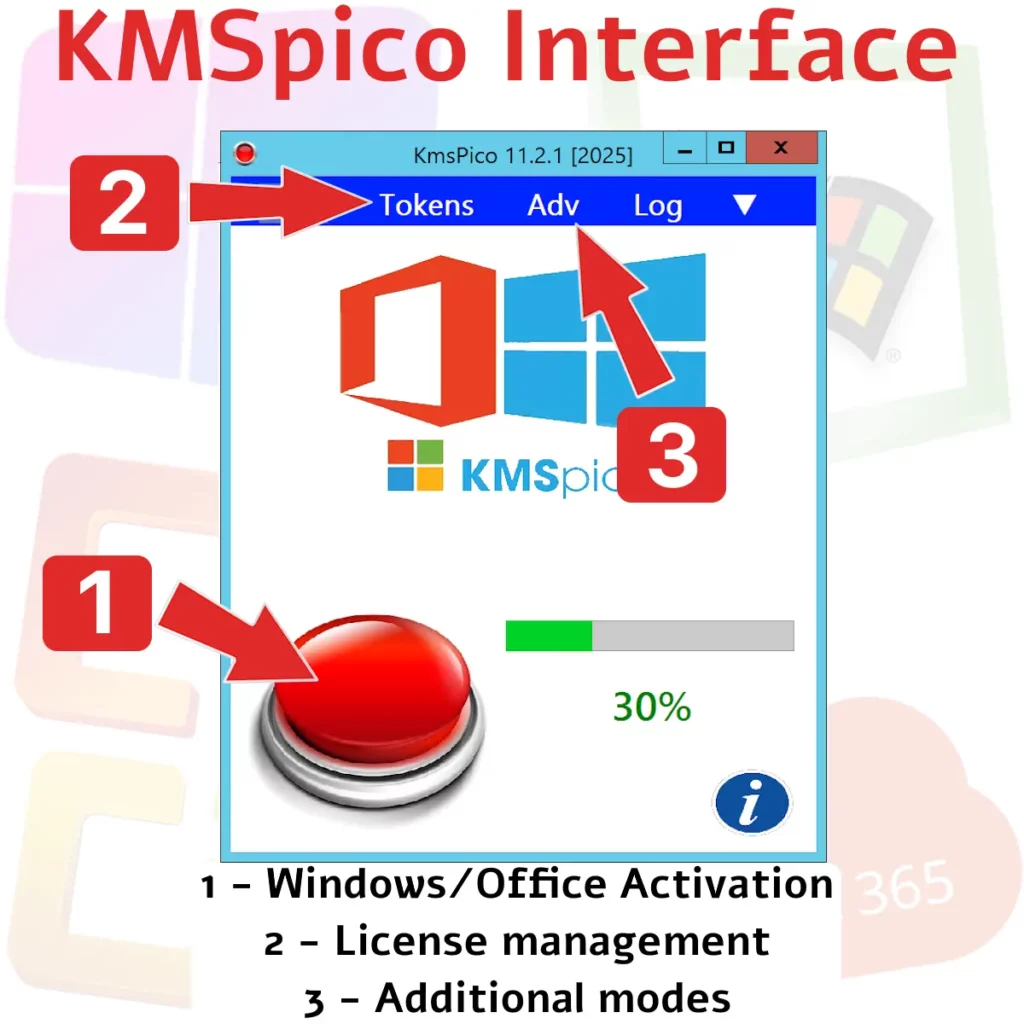
KMSPico is known among users who want to activate Windows without buying an official license. Initially designed for “KMS for Windows 10,” it now works as a “kmspico for windows 11.” Its main function is to mimic a Key Management Service (KMS) server on local devices, tricking the system into thinking it’s activated legitimately.
This tool automates activating Microsoft products using volume licensing keys. Although appealing due to its simplicity, there are risks involved.
Legal Considerations: Is Using a Windows 11 Activator Like KMSPico Legitimate?
The legality of tools like KMSPico cannot be ignored. Microsoft prohibits bypassing their activation protocols under their terms of service. Using a “windows 11 activator” such as KMSPico violates these terms by altering system files and bypassing genuine software validation.
Distributing or promoting such tools could lead to legal consequences since they infringe on intellectual property rights. Organizations should carefully assess compliance risks before considering unauthorized activation methods.
Security Risks Associated with Unofficial Activators
While some users focus on cost benefits, they often overlook the security threats posed by unofficial activators like KMS Pico. Running third-party code with elevated privileges can introduce vulnerabilities.
KMSPico Exposure Points and System Vulnerabilities
Installing unverified software exposes systems to multiple attack vectors. Since “kmspico official” websites can’t be reliably authenticated, users might download modified versions containing malware.
- Malicious Payloads: Threat actors may embed malicious scripts within counterfeit activator packages.
- Backdoor Installation: Unauthorized access points could allow remote attackers into corporate networks.
A practical approach for administrators involves using tools like procmon to monitor suspicious activities after installation. This helps identify anomalies quickly and take preemptive action against potential threats.
Troubleshooting Activation Challenges Securely
If legitimate activation issues arise—perhaps due to corrupted licenses or hardware changes—consider using Microsoft’s built-in troubleshooting commands like slmgr. These provide diagnostic information that assists in resolving problems without resorting to risky alternatives.
Optimizing Endpoint Management Strategies
A comprehensive endpoint management strategy ensures systems remain compliant while minimizing vulnerability exposure from unauthorized activations. Administrators should prioritize regular updates and maintain visibility over installed applications across all devices within their network ecosystem.
The Importance of Virtual Machine Testing Environments When Evaluating Windows 11 Activator Tools
Laying groundwork through controlled testing environments is crucial when experimenting with system configurations or software installations—including evaluating the impact of solutions like unauthorized “windows 11 activator.” Ensure virtual machines have enough resources (e.g., at least 8GB RAM and dual-core CPU) while maintaining periodic snapshots during each test phase for rollback if needed.
Sustaining Compliance Through Policy Enforcement
windows 11 activator in focus: this section adds concrete notes and a short, verifiable checklist.