
So I was fiddling around with some Solana wallets the other day, and something really clicked. You know how DeFi protocols can feel like a maze sometimes? Well, Solana’s ecosystem is throwing a fresh twist into the mix, especially with these SPL tokens. Wow! It’s not just about quick transactions anymore; there’s a whole new layer of staking, lending, and swapping that’s surprisingly smooth. What’s got me hooked is how wallets like the solflare wallet extension make navigating this stuff way less painful.
Initially, I thought DeFi on Solana would be just another flashy playground for traders, but then I realized there’s genuine substance underneath. The low fees and blazing speed really unlock different possibilities compared to Ethereum or Binance Smart Chain. Hmm… the ecosystem feels less congested, which is a breath of fresh air for someone who’s been burned by gas wars before. But here’s the thing: it’s also a little wild at times, with new protocols popping up left and right. You gotta keep your wits about you.
On one hand, SPL tokens are a technical standard that’s making DeFi more accessible; on the other, it’s a bit of a double-edged sword because the rapid growth means there’s a lot of noise and potential risk. Seriously? Yeah, some projects are still ironing out kinks, and that can be nerve-wracking if you’re staking real assets. I’m biased, but the way Solana integrates these tokens feels like the future of decentralized finance, even if it’s a bit rough around the edges right now.
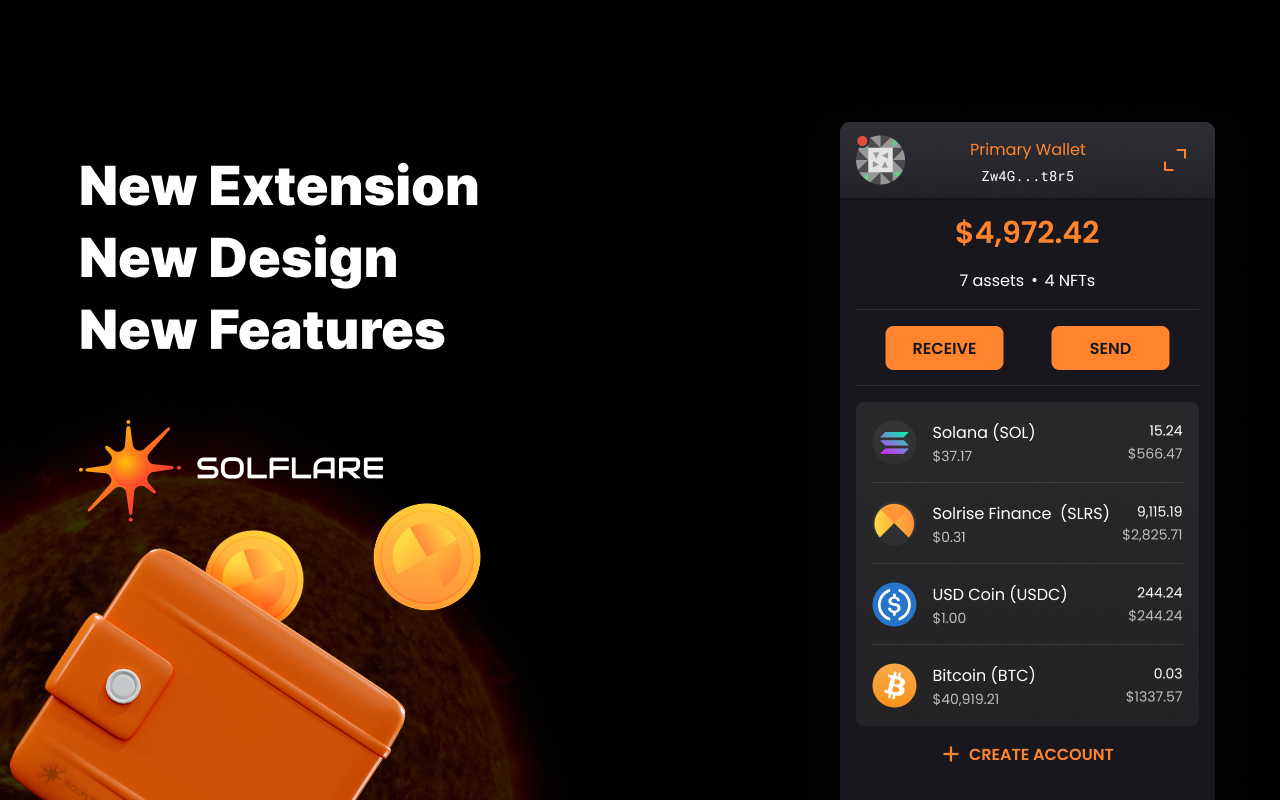
Okay, so check this out—when you use something like the solflare wallet extension, you’re not just storing tokens; you’re stepping into an entire DeFi playground. It lets you stake SPL tokens directly, participate in liquidity pools, and interact with smart contracts without jumping through hoops. I remember my first time trying to stake with another wallet—it was a mess. But with Solflare, the interface is sleek, and the process is surprisingly intuitive, even if you’re not a hardcore crypto nerd.
Here’s a quick tangent (because I can’t help myself): the US crypto scene is catching on to Solana’s potential, but there’s still a cautious vibe. Regulations and security concerns linger, and honestly, that bugs me. It’s like everyone wants to jump in, but at the same time, they’re peeking over their shoulders. This makes having a dependable wallet extension not just a convenience but a necessity.
Digging Deeper into SPL Tokens and Their Role
So, SPL tokens—basically, they’re Solana’s answer to Ethereum’s ERC-20 standard. But they’re way faster and cheaper to move around. I mean, transactions cost mere fractions of a cent, which is nuts compared to what I’ve seen on other chains. This means you can experiment with small amounts without sweating fees, which opens doors for newcomers and veterans alike.
But… it’s not all sunshine and rainbows. My instinct said to watch out for super new projects that issue SPL tokens, especially those promising sky-high yields. The landscape is still somewhat the Wild West. Initially, I thought “Hey, just jump in,” but then I realized that vetting teams and smart contracts takes time and effort. There’s no magic bullet here.
What’s really interesting is how DeFi protocols on Solana are leveraging SPL tokens to create complex financial instruments—like synthetic assets, yield farms, and cross-chain bridges—that feel more secure and performant. I’m not 100% sure how sustainable some of these models are, but the innovation pace is thrilling. And the best part? You don’t have to juggle multiple wallets or switch chains constantly if you stick with a solid wallet like the solflare wallet extension.
On a personal note, I’ve been staking SPL tokens on a couple of these protocols for a few months, and while returns aren’t guaranteed, the user experience has steadily improved. I ran into some hiccups early on—transactions got stuck or interfaces glitched—but updates rolled out pretty fast. This level of responsiveness is rare in crypto, which makes me optimistic.
One thing that really stood out to me is how the community around Solana seems more collaborative than competitive. Maybe it’s because the ecosystem is younger, or maybe the tech just invites experimentation, but you can find plenty of tutorials, Discord groups, and even casual Twitter threads where folks share honest feedback—not just hype. That grassroots vibe makes diving into DeFi less intimidating.
Why The solflare wallet extension is a Game-Changer
Here’s the thing. You can’t talk about Solana’s DeFi without mentioning wallets that actually *work* for real users. The solflare wallet extension has been my go-to because it balances security with usability in a way that feels very rare. Not only does it support all SPL tokens seamlessly, but it also integrates staking functions directly into the wallet. No need for clunky third-party apps.
Seriously, the extension’s UI strikes a sweet spot between simplicity and power. I’m not super techy, but I still like having advanced options when I want them. Plus, the transaction speeds are consistent, and the security layers—like hardware wallet compatibility—give me peace of mind. This is especially important here in the States, where regulatory uncertainty can make you second-guess your choices.
That said, it’s not perfect. There were moments when I wished the extension had better notifications or clearer alerts on gas fees (even if they’re low). Actually, wait—let me rephrase that—sometimes the UX could be a tad more newbie-friendly, especially around error messages. Still, for a wallet extension that’s been around only a short while, it’s leaps ahead of many competitors.
And oh, I gotta mention: having everything bundled into one extension means less tab chaos during DeFi sessions. I mean, how many times have you had Ethereum wallets, Solana wallets, and random dApps open at once, your browser screaming for mercy? Using the solflare wallet extension feels like cleaning that mess up, finally.
Before I forget—if you’re staking or swapping SPL tokens, always double-check contract addresses and protocol legitimacy. The speed and low cost of Solana transactions make it tempting to jump into new pools, but that’s a quick road to mistakes. Trust me, I’ve been there.
What’s Next for Solana’s DeFi and SPL Ecosystem?
Looking ahead, I’m curious how governance tokens and decentralized autonomous organizations (DAOs) on Solana will evolve with this SPL foundation. There’s chatter about more cross-chain interoperability, which could amplify DeFi’s reach but also introduce complexity. Hmm… balancing innovation with security will be key.
On a broader scale, I see Solana’s DeFi protocols gradually attracting more mainstream US users, especially if wallets keep improving and regulatory clarity increases. I’m not saying it’s gonna be an overnight revolution, but the pieces are falling into place. The combination of fast transactions, low costs, and user-friendly wallets like solflare wallet extension is a potent one.
Still, the ecosystem feels like it’s in flux. Some protocols will flame out, others will thrive, and the tech will keep evolving. Patience and a healthy dose of skepticism are your friends here. For those willing to dive in, the rewards—both financial and educational—can be very very rewarding.
At the end of the day, if you’re someone who’s been on the sidelines watching Ethereum gas fees spiral, or if you’re just hunting for a smoother DeFi ride, Solana’s SPL tokens and wallets like Solflare offer a compelling alternative. Sure, there’s risk, but there’s also real potential. And honestly, that mix is what makes this space so darn exciting.